
Step Into
Another's Reality
VICARIOUS is an immersive narrative simulation illuminating the hidden realities of domestic violence, abuse, and coercive control. Under the actual brand Vicarious Behind Closed Doors—created by founder Toy Burks, who also offers other immersive Behind Closed Doors™ experiences like Recovery Behind Closed Doors—this product serves as a domestic violence simulator where participants can vicariously experience and understand deeper the dynamics.
Choose your perspective and navigate the decisions.
Choose Your Perspective
Each character profile represents a different vantage point within a complex web of relational dynamics. Select a subject to enter their lived experience and decision architecture across comprehensive simulation scenarios leading to freedom.
 Lived Experience
Toy Burks, 40
Founder, Creator & Outreach Specialist
Step into the true story of the creator of Behind Closed Doors. From a seemingly perfect marriage in Lawrenceville and running a family childcare center, to navigating a sudden 2-year crisis of domestic volatility, rebuilding through community faith and WS advocacy, and transforming into a victor and outreach specialist.
 Difficulty: Moderate
Elena, 32
Architect & Partner
Balancing a demanding creative career while navigating subtle shifts in domestic autonomy, isolation from friends, and shifting expectations.
 Difficulty: Complex
Marcus, 35
Financial Analyst
Grappling with inherited patterns of control, intense workplace pressures, and mounting anxiety regarding relationship security.
 Difficulty: Moderate
Sarah, 28
Community Liaison & Friend
Navigating the delicate boundaries of supporting a loved one while recognizing warning signs of psychological entrapment.
 Difficulty: Advanced
David, 41
Crisis Intervention Advocate
Assessing complex systemic barriers, evaluating safety protocols, and facilitating trauma-informed intervention strategies.
 Difficulty: Moderate
Jasmine, 29
Healthcare Researcher
Balancing professional expectations within a high-pressure medical field while navigating intersectional pressures and community support networks.
 Difficulty: Complex
Malik, 34
Educator & Mentor
Confronting systemic hurdles, managing community leadership responsibilities, and working through personal vulnerability behind closed doors.
 Difficulty: Moderate
Leo, 18
College Freshman
Stepping into early adulthood, managing academic transitions, and deciphering family dynamics while seeking independent identity.
 Difficulty: Advanced
Julian, 30
Creative Director
Navigating complex relational boundaries, managing historical family expectations, and building a secure authentic community environment.
 Difficulty: Moderate
Amina, 24
Software Engineer & Innovator
Establishing independence in a fast-paced tech startup while navigating micro-aggressions, boundary-setting with family, and burnout.
 Difficulty: Advanced
Brenda, 54
Counselor & Matriarch
Reflecting on decades of marriage, renegotiating marital roles as an empty nester, and carrying the emotional weight of extended family dynamics.
 Difficulty: Complex
Terrell, 38
Urban Planner & Father
Balancing community development projects with co-parenting challenges, striving to break cycles of emotional unavailability in domestic life.
 Difficulty: Moderate
Zora, 16
High School Student & Activist
Finding her voice through school clubs and digital organizing while coping with peer pressure, academic stress, and family expectations.
 Difficulty: Advanced
Clara, 70
Retired Matriarch & Homeowner
Enduring subtle financial manipulation, verbal intimidation, and boundary violations by adult children under her own roof, seeking a path toward safety and peace.
 Difficulty: Complex
Mei-Ling, 45
Traditional Homemaker & Artisan
Balancing deep-rooted cultural expectations of family honor and duty while quietly navigating silent isolation, emotional suppression, and discovering her own voice.
 Difficulty: Advanced
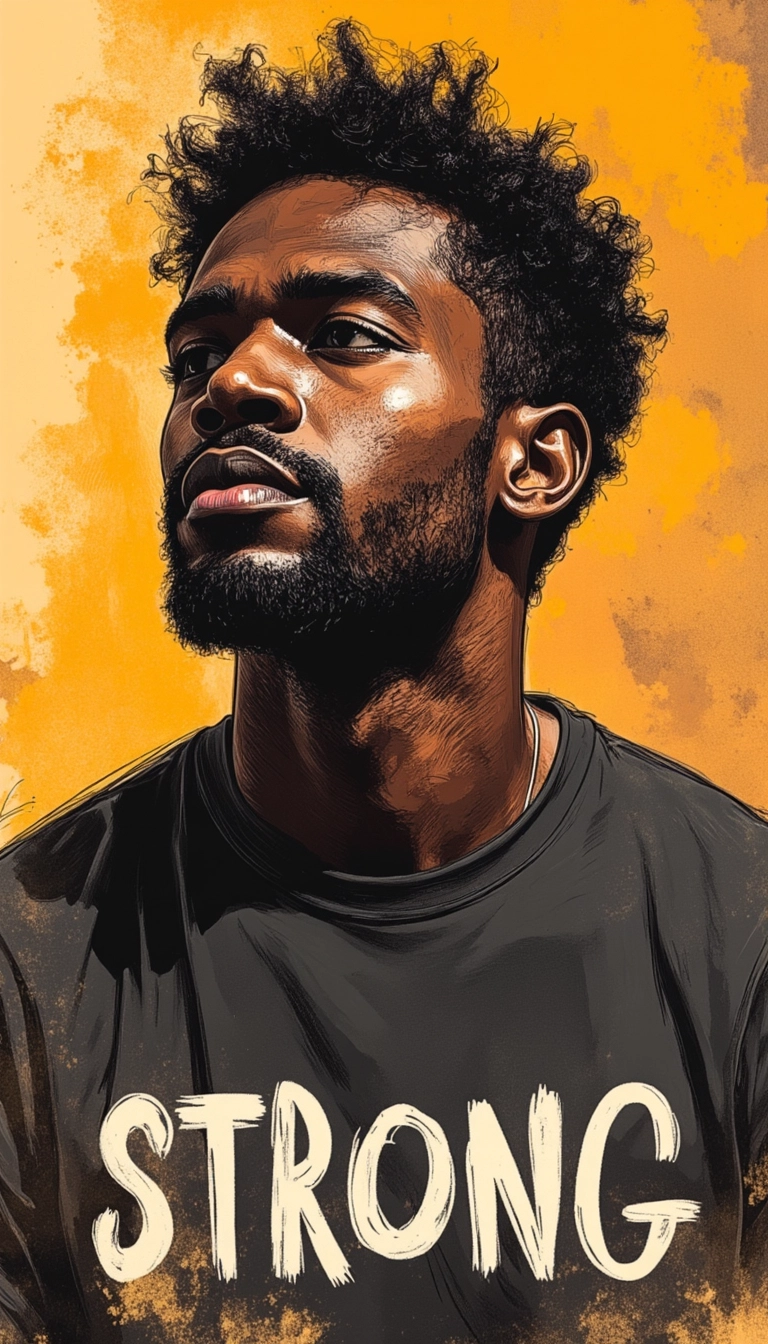
James, 42
Redemption Advocate & Speaker
A born-again devout Christian confronting years of past abuse, infidelity, gaslighting, and manipulation. Now walking a dedicated path of true repentance, accountability, and educating men and women to break generational cycles.
Why Virtual Empathy Matters
Coercive control and psychological manipulation rarely begin with dramatic gestures. They manifest in whispers, gradual boundary erosion, financial gatekeeping, and subtle isolation. Traditional education often fails to convey the paralyzing fog experienced by those inside these dynamics.
VICARIOUS bridges this empathy gap through active, gamified simulation. By stepping into the shoes of carefully researched archetypes, participants experience firsthand how rational decisions become obscured under continuous psychological pressure.
Immersive Lens
Experience real-time dilemmas from an internal first-person psychological perspective.
Trauma-Informed
Designed in collaboration with counselors and survivors to ensure safety and accuracy.
Reflective Insight
Conclude with comprehensive debriefs explaining the mechanics of coercive patterns.
The Power and Control Wheel
Coercive control is sustained not through isolated incidents, but through an interconnected system of tactics. Explore the core segments simulated within VICARIOUS.
Coercion & Threats
Making or carrying out threats to do something to hurt someone. Threatening to leave, commit suicide, or report false claims to authorities.
Intimidation
Using looks, actions, and gestures to instill fear, smashing things, destroying property, or displaying weapons to enforce compliance.
Isolation
Controlling who the partner sees, talks to, where they go, and limiting their involvement with outside friends and support networks.
Minimizing & Denying
Making light of abuse, saying it didn't happen, or shifting responsibility for abusive behavior onto the victim. Gaslighting tactics.
Economic Abuse
Controlling all financial resources, preventing the partner from obtaining or keeping employment, and demanding receipts for all spending.
Using Privilege
Treating the partner like a servant, making all big decisions, and acting as the absolute ruler of the domestic domain.
Emotional Manipulation
Undermining self-esteem through constant criticism, name-calling, and creating an unpredictable emotional environment.
Using the Children
Making the partner feel guilty about the children, using children to relay messages, or threatening to take the children away.
Using Religion
Misusing spiritual texts, doctrines, or religious leadership roles to demand submission, enforce traditional roles, and justify control.
You Are Not Alone
If you or someone you know is experiencing domestic abuse, coercive control, or emotional distress, confidential support is available 24/7. Reach out to trained advocates who can help.
Safe Browsing Notice
Remember to clear your browser history or use private browsing mode if you share a device. Use the Quick Exit button at the top at any time.